OlaMaxReel 01
Loading.
Framing.
Cueing.
Threading.
Projecting.
Loading.
Stand by · pulling the latest frames
Stand by · pulling the latest frames
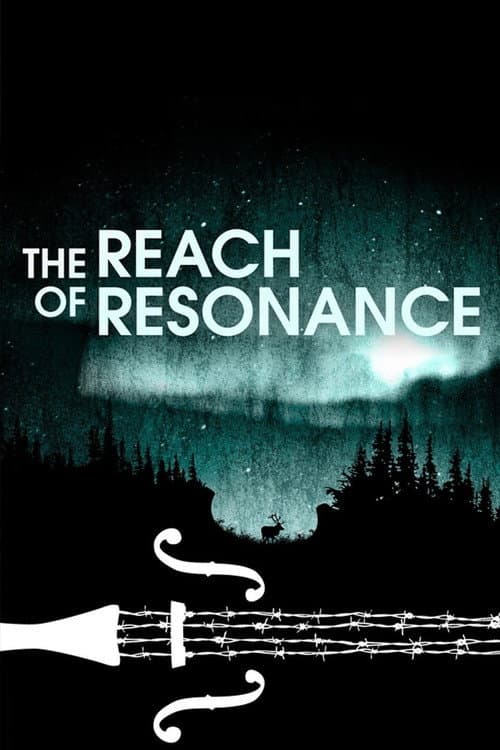
Miya Masaoka uses music to interact with plants and insects; Jon Rose turns fences into musical instruments with a violin bow in conflict zones ranging from the Australian outback to Israel; John Luther Adams translates geophysical phenomena in Alaska into music; and Bob Ostertag explores socio-political issues through processes as diverse as transcribing riots into string quartets, and creating live cinema with garbage. By contrasting the creative paths of these artists, and a connection between them by the world renowned Kronos Quartet, the film explores music not as a form of entertainment, career, or even self-expression, but as a tool to develop more deeply meaningful relationships with people and the complexities of the world they live in.
0.0
Score
0 votes
Editorial context, craft details, and films that share its DNA.

Pierre Hébert
Himself


