OlaMaxReel 01
Loading.
Framing.
Cueing.
Threading.
Projecting.
Loading.
Stand by · pulling the latest frames
Stand by · pulling the latest frames

This time, Kapa and Pepe are first of all prisoners of war – and convicts taken to forced labor service, Jews, Hungarian soldiers, German soldiers. Once they are to be executed, then again they are to perform executions. The film tells in spectacular episodes about the fact that in the past more than one century and a half we kept marching from war to war; occupation and liberation turned out to be indifferent, and why couldn’t the Jews execute the SS-guys? Our heroes hover about dilapidated barracks, then again on the bridges of the capital they guess whose satellites or eternal friends for all times we might be just now. In the cupboard, among the preserved fruit bottles, Stalin is still hiding. The authors of the film are cited before court, then in a showcase hospital they are waiting for the end to come. A Soviet soldier-maid closes the film with a Péter Nádas-quote.
5.6
Score
10 votes
“A múlthoz nem visszanyúlni kell, a múltat le kell nyúlni.”
Editorial context, craft details, and films that share its DNA.

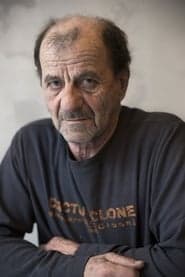
Gyula Hernádi
Gyula Hernádi
 7.4
7.4Lifeboat
1944