OlaMaxReel 01
Loading.
Framing.
Cueing.
Threading.
Projecting.
Loading.
Stand by · pulling the latest frames
Stand by · pulling the latest frames
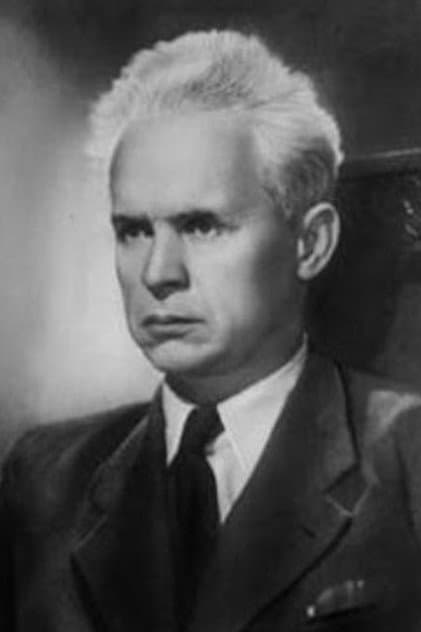
Oleksandr Petrovych Dovzhenko was a Ukrainian Soviet screenwriter, film producer and director. He is often cited as one of the most important early Soviet filmmakers, alongside Sergei Eisenstein, Dziga Vertov, and Vsevolod Pudovkin, as well as being a pioneer of Soviet montage theory. Although Oleksandr Dovzhenko's parents were uneducated, his semi-literate grandfather encouraged him to study, leading him to become a teacher at the age of 19. Dovzhenko turned to film in 1926 when he landed in Odesa. His ambitious drive led to the production of his second-ever screenplay, Vasya the Reformer (which he also co-directed). He gained greater success with Zvenyhora in 1928 which established him as a major filmmaker of his era. His following "Ukraine Trilogy" (Zvenyhora, Arsenal, and Earth), although underappreciated by some contemporary Soviet critics (who found some of its realism counter-revolutionary), is his most well-known work in the West. For his film Shchors, Dovzhenko was awarded the Stalin Prize (1941); eight years later, in 1949, he was awarded another Stalin Prize for his film Michurin.
 7.5
7.5Triumph Over Violence
1965
How The Steel Was Tempered - On Screen and In Life
2007
 4.7
4.7The Diplomatic Pouch
1927
 9.0
9.0Our Cinema
1940
 6.3
6.3Larisa
1980
Dovzhenko. Diary. 1941-1945
1992
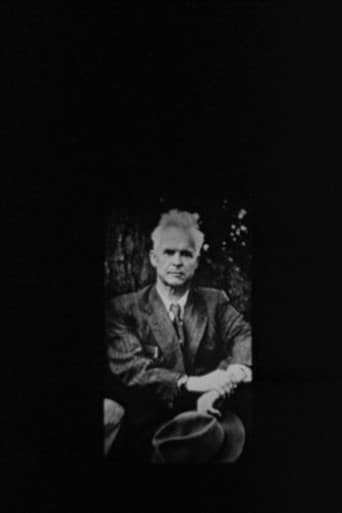
Oleksandr Dovzhenko. The Contemplations After Life
1992

Dovzhenko. Ukrainian Homer of Cinema
2013

Dovzhenko. Full of Compromise
2025

Oleksandr Dovzhenko. Odesa Dawn
2014
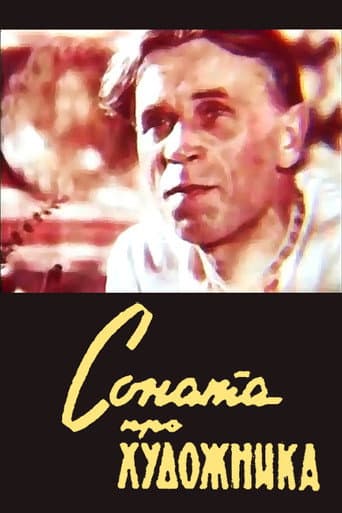
Sonata about the artist
1966